For many business owners, the building they operate from is the single largest asset on their balance sheet — and also the most underanalyzed. It sits quietly in the background while attention goes to revenue, payroll, and inventory. But real estate decisions made at the wrong time, or with the wrong information, can cost a business owner hundreds of thousands of dollars in missed equity, unnecessary tax exposure, or a poorly timed exit.
At Pointe Commercial Real Estate, this is one of the most consequential conversations we have with clients every week.
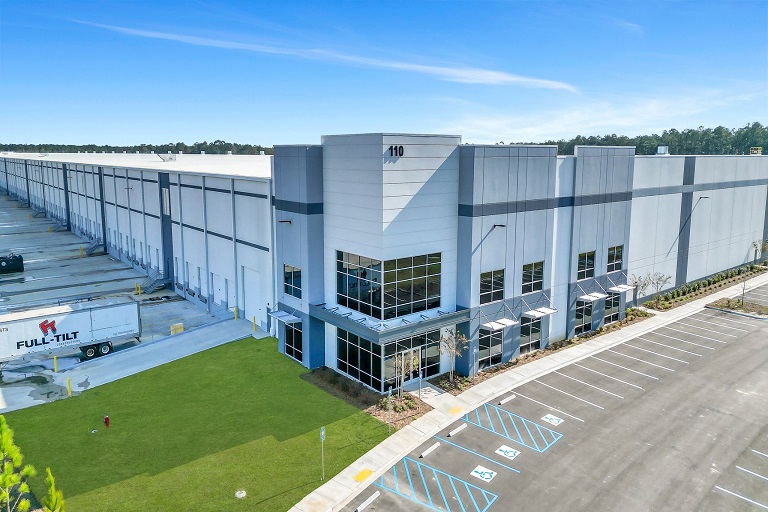
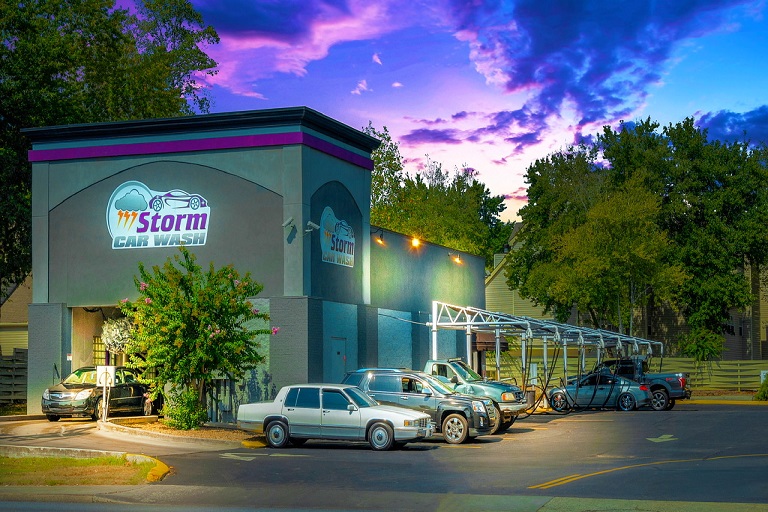
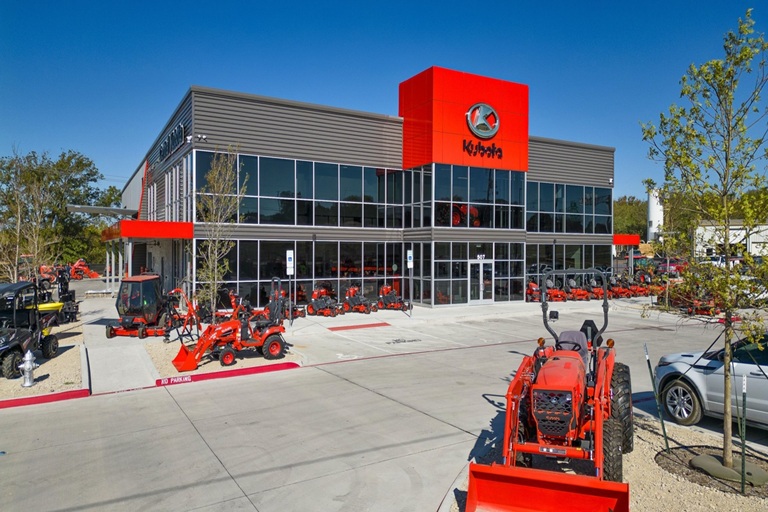
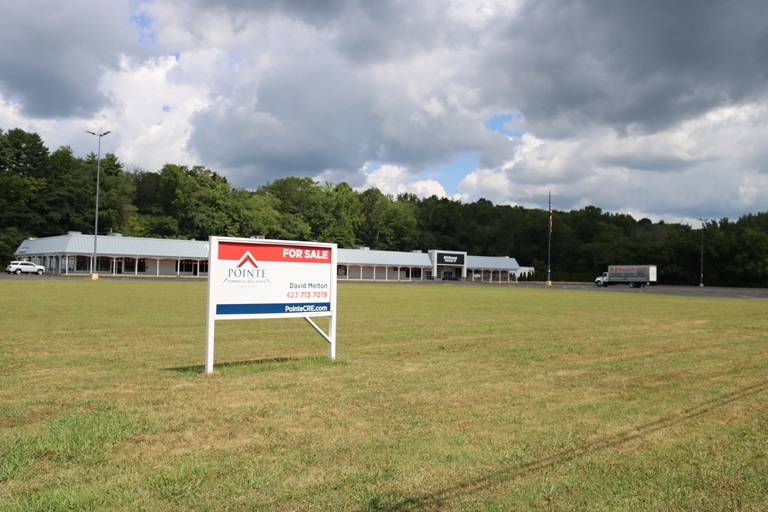
An owner-occupied — or owner-user — commercial property is one in which the business operating the property also owns it. This includes retail storefronts, medical offices, industrial facilities, professional buildings, and everything in between. The owner wears two hats simultaneously: business operator and real estate investor.
That dual role creates both opportunity and risk that most traditional real estate advisors are not equipped to address together.
When a business owner occupies their own building, every major business decision becomes a real estate decision — and vice versa. Considering a sale of the business? The real estate may transfer with it, or it may not. Planning to retire in five years? That building could be your most valuable retirement asset, or it could become a liability depending on how you structure the transition. Thinking about expanding or renovating? Capital deployed into leasehold improvements on a building you own outweighs improvements made as a tenant.
The stakes are high, and the variables are interconnected in ways that demand integrated advice — not a business broker on one side and a real estate agent on the other operating in silos.
At Pointe Commercial Real Estate, we work with owner-users to evaluate all dimensions of their property’s value before recommending a course of action. That means understanding the business cycle, not just the real estate market.
“Owner-occupied real estate is almost never just a real estate question. The right answer depends on where the owner is in their business lifecycle, what the capital structure looks like, and what their exit timeline is — whether they’ve thought about that timeline or not. That’s the conversation we start with.”
— David Melton, Principal Broker, Pointe Commercial Real Estate
This approach matters because the optimal strategy for a business owner in growth mode looks nothing like that for one approaching succession. A 45-year-old expanding into new markets may benefit from owning their facility outright to control costs and build equity. A 62-year-old looking to transition the business in the next three to seven years may be far better served by a sale-leaseback — converting real estate equity into liquid capital while retaining full operational control of the space under a long-term lease.
Neither answer is universal. Both require a clear-eyed assessment of what the owner actually wants the asset to do.
Holding too long. Many owner-users stay in a property far past the point at which the market would have rewarded a sale or recapitalization. Timing matters. A property worth $2.2 million in a rising market may require significant re-investment to command that same price three years later.
Conflating business value with real estate value. These are separate assets with separate buyers, separate markets, and separate valuation methodologies. Treating them as one often means leaving money on the table on both sides.
Ignoring the lease structure. Even when a business owner occupies their own building, understanding what a market-rate lease would look like — and what the property would command as an investment sale — is essential intelligence for long-term planning.
Deferring the conversation. The time to evaluate your options is not when you’re forced to. It’s when you have the most flexibility.
We don’t begin with listings or letters of intent. We begin with a structured assessment of where the owner is, where they want to go, and what the asset is actually worth in today’s market — independent of what they paid for it or what they owe on it.
From there, we can model the relevant scenarios: hold and refinance, sell and leaseback, sell outright, with or without the business, or reposition for a future transaction. The goal is always the same — to make sure the real estate is working for the owner, not the other way around.
If you own the building your business operates from, you owe it to yourself to understand what that asset can do for you. We’d welcome the conversation.
Enter your details below and we will be in touch.
Providing Commercial Real Estate Brokerage Services for Chattanooga, Cleveland and Dalton
Office • Retail • Healthcare • Hospitality • Industrial • Warehouse • Property Management • Business Brokerage